-
Select options This product has multiple variants. The options may be chosen on the product page
Certilas Ultra Clean III Mig Wire Copper Free – One of the lowest fume emissions 16kg Spool
€37.76 €44.84Price range: €37.76 through €44.84 -
Add to cart
Nederman Replacement Metal Filter for FE 840/841/860
€82.61 (ex VAT) €99.13(inc VAT) -
Add to cart
Nederman Complete Metal Filter For FE 840/841/860
€194.72 (ex VAT) €233.66(inc VAT) -
Add to cart
EVO 2.2 Filter Kit RF0EVO2200000
€220.68 (ex VAT) €264.82(inc VAT) -
Add to cart
Nederman Nano Disposable Filter 70377313
€227.46 (ex VAT) €272.95(inc VAT) -
Add to cart
Nederman Magnetic Nozzle TM-80 P/N 70851000
€230.12 (ex VAT) €276.14(inc VAT) -
Add to cart
Nederman Funnel Nozzle TM-200
€271.42 (ex VAT) €325.70(inc VAT) -
Select options This product has multiple variants. The options may be chosen on the product page
On Torch Welding Fume Extraction Mig Torch – Air Cooled or Water Cooled
€318.63 €528.68Price range: €318.63 through €528.68 -
Select options This product has multiple variants. The options may be chosen on the product page
Welding Fume Extraction Mig Torch Holch 350 Amp Air-Cooled Mig Torch
€434.28 €531.05Price range: €434.28 through €531.05 -
Select options This product has multiple variants. The options may be chosen on the product page
Portable Welding Fume Extractor – AER 201 Available in 110V or 230V
€796.57 €820.17Price range: €796.57 through €820.17 - Select options This product has multiple variants. The options may be chosen on the product page
-
Select options This product has multiple variants. The options may be chosen on the product page
On Torch Welding Fume Extraction – OTS Mobile Filtering Unit For Welding Fume Extraction Torches
€3,245.28 €3,422.29Price range: €3,245.28 through €3,422.29 -
Select options This product has multiple variants. The options may be chosen on the product page
Welding Fume Extractor – Filter Unit for Fume Torches 1 or 2 Torch Option
€3,658.31 €3,994.64Price range: €3,658.31 through €3,994.64 -
Add to cart
Laser Welding Fume Extractor UNI 2.2 C W3 Laser for laser welding fumes
€4,012.34 (ex VAT) €4,814.81(inc VAT) -
Select options This product has multiple variants. The options may be chosen on the product page
Nederman Fume Eliminator GoMax – 230V & 400V
€4,685.00 €5,428.46Price range: €4,685.00 through €5,428.46





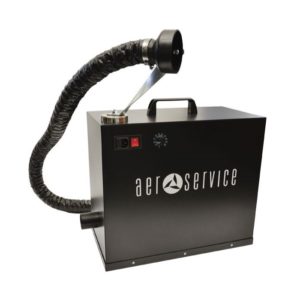

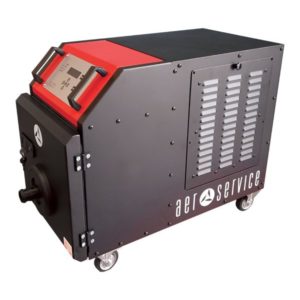

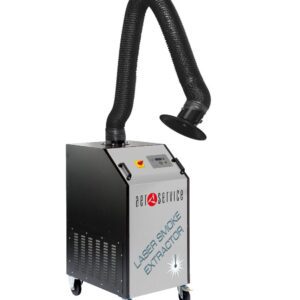

Welding Fume Extraction
Welding fume extraction refers to the process of capturing and removing harmful airborne contaminants generated during welding operations. These contaminants, known collectively as welding fumes, consist of microscopic particles and gases released when metal is heated above its melting point. Depending on the materials and processes used, these fumes can contain hazardous substances such as manganese, hexavalent chromium, nickel, carbon monoxide, and ozone. Prolonged exposure to welding fumes can lead to severe health issues including respiratory diseases, metal fume fever, neurological disorders, and increased risk of cancer.
To protect welders and surrounding personnel, welding fume extraction systems are employed to effectively capture fumes at the source and prevent their spread into the ambient workspace. These systems are a critical component of occupational health and safety protocols and are often required to meet national and international standards such as HSE (UK), OSHA (USA), and ISO certifications.
There are several types of welding fume extraction systems available, including:
- Source Extraction Systems – These use mobile or fixed extraction arms, nozzles, or fume hoods to capture fumes directly at the welding point. They are the most effective way to contain hazardous emissions.
- On-Torch Extraction – Integrated into the welding torch itself, these systems provide direct extraction without impeding the welder’s mobility.
- Downdraft Tables – Suited for bench welding or grinding, these tables pull fumes and particles downward into a filtration system beneath the work surface.
- Ambient Air Cleaning Systems – Used as supplementary protection, these systems filter and recirculate air within larger workshop environments.
Filtration technologies used in these systems include mechanical filters (HEPA), activated carbon filters for gases and vapors, and spark arrestors to minimize fire risk. Many advanced systems are also equipped with IoT-enabled monitoring tools for real-time performance tracking, maintenance alerts, and compliance reporting.
Investing in a high-quality welding fume extraction system delivers multiple benefits:
- Health and Safety Compliance: Meets legal requirements and protects workers from toxic exposures.
- Improved Air Quality: Enhances overall workplace environment and productivity.
- Equipment Longevity: Reduces the buildup of particulates on machinery and sensitive equipment.
- Energy Efficiency: Smart extraction systems optimize airflow and reduce unnecessary power consumption.
As industries strive for higher safety standards and cleaner operations, welding fume extraction has become an indispensable aspect of modern fabrication and manufacturing processes. By integrating these systems into their health and safety infrastructure, businesses can create safer workplaces while also supporting sustainability and operational efficiency.
Shopping Cart