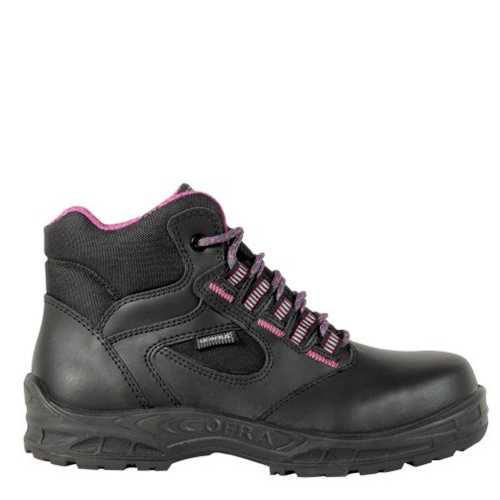
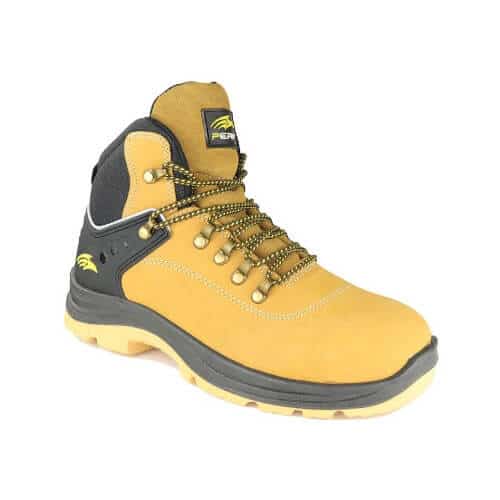
Norsemen Safety – Safety Footwear: How to Choose and Protect Your Feet
When you’re working in construction, manufacturing, utilities, warehousing, or any environment where heavy materials, sharp objects, chemicals, or electrical hazards are present, everyday shoes simply aren’t enough. That’s where safety footwear comes in — providing essential protection so your feet remain safe, comfortable, and compliant on the job. At Norsemen Safety we supply a broad selection of certified safety boots and shoes from leading brands, tailored to a variety of industries and risk levels.
Why Safety Footwear Is Essential
Foot-related injuries are among the most common hazards on industrial and construction sites. Dropped tools, crushing loads, sharp debris, electrical faults, spills, or slippery surfaces can all threaten worker safety. Proper safety boots serve as a barrier between your feet and these risks.
-
Protective toe caps shield toes from heavy impacts and compression.
-
Reinforced soles and midsoles resist punctures from nails, shards or sharp metal fragments.
-
Slip‑resistant outsoles improve stability when working on wet, oily, or uneven surfaces.
-
Additional protective features (water resistance, electrical insulation, ankle support, heat resistance) help adapt footwear to various work environments.
In short, safety footwear is crucial — not just for comfort, but for preventing serious, sometimes life‑changing injuries.
Understanding Safety Footwear Standards & Ratings
When purchasing safety footwear, look for compliance with recognised standards — in the UK and Europe that means the standard EN ISO 20345.
Here’s what you need to know:
-
Toecap protection: All certified safety boots must include a toecap capable of withstanding a 200‑joule impact (around a 20 kg object dropped from 1 m).
-
Protection classes: Footwear is classified (e.g. SB, S1, S2, S3, etc.) depending on additional protective features.
-
SB — basic toe‑cap protection
-
S1 / S2 / S3 — additional features like closed heel, water resistance, penetration‑resistant midsole, etc.
-
Additional optional protections:
-
‘P’ or ‘PL’ — penetration‑resistant midsole (sharp‑object protection)
-
Water‑resistant uppers / waterproofing — useful in wet/winter environments
-
Slip‑resistant / anti‑slip soles — to reduce slips, trips and falls in slippery conditions
-
Other variations — composite toe caps, anti‑static properties, heat/chemical‑resistant materials, depending on workplace needs.
When evaluating boots, make sure the labelling includes the standard (EN ISO 20345) and protection codes — this is your assurance they’re tested and certified for professional use.
What to Look For When Selecting Safety Footwear
Your choice of safety boots should reflect the work environment, hazards, and comfort needs. Here are the main considerations:
-
Hazards you face — heavy loads, falling objects, sharp debris, wet surfaces, electrical work, chemicals, extreme temperatures, etc. Choose boots with relevant protections (toecap, midsole, water resistance, insulation).
-
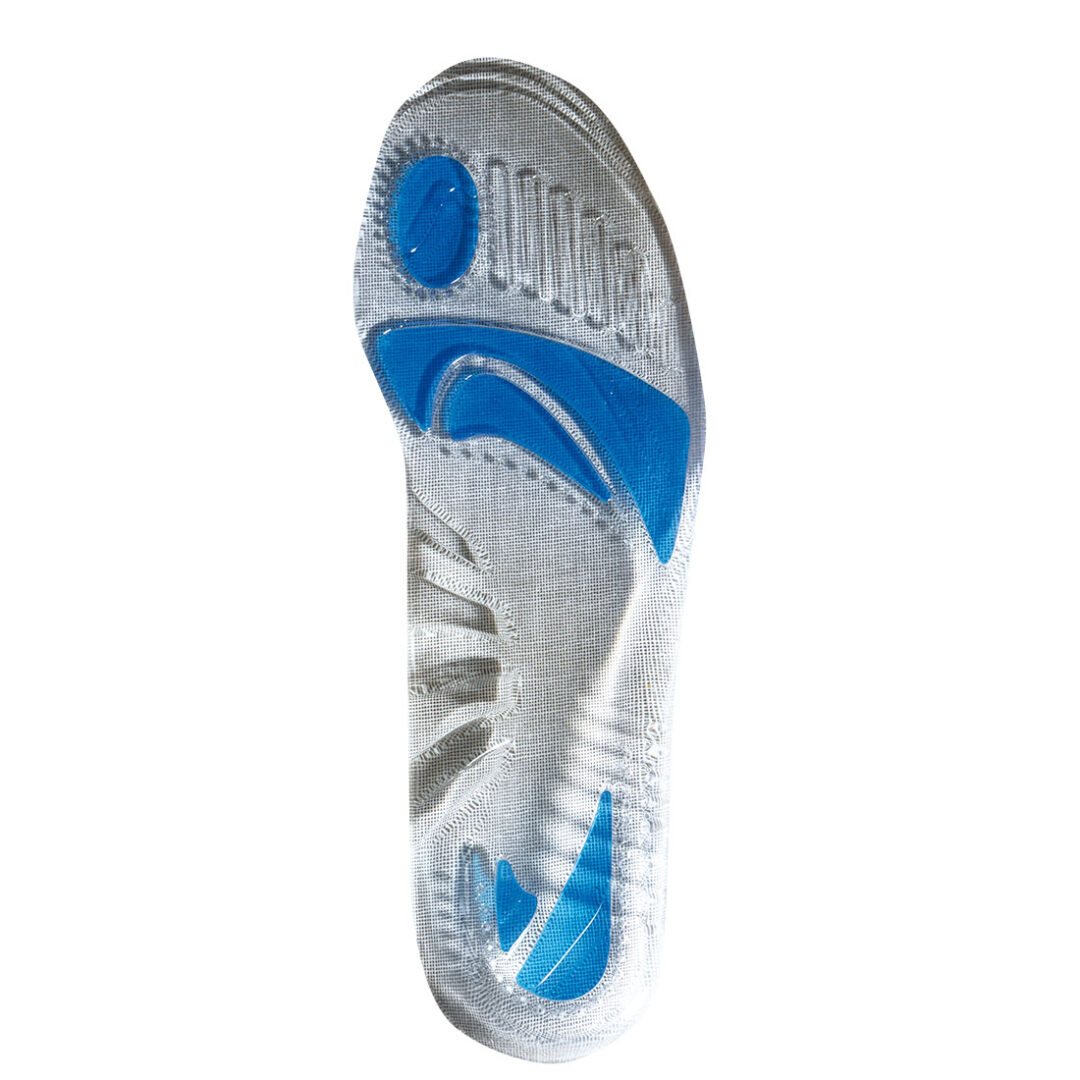
Comfort & fit — safety boots are often worn for long hours. Look for ergonomic insoles, ankle support, padded collars, proper sizing and breathable linings to reduce fatigue.
-
Work environment conditions — if you work in wet, oily or uneven terrain, slip‑resistant and waterproof boots are essential; for electrical or chemical exposure, ensure insulation or chemical resistance as needed.
-
Mobility & weight — composite‑toe boots may be lighter than steel‑toe ones, which helps if workers need agility or work in environments with metal detectors.
-
Durability & maintenance — choose boots made from robust materials and easy to clean or maintain, especially if your site is abrasive, wet or dirty.
Example Safety Footwear Types & Their Best Use Cases
Depending on your industry and risk profile — here are typical boots and when they suit best:
-
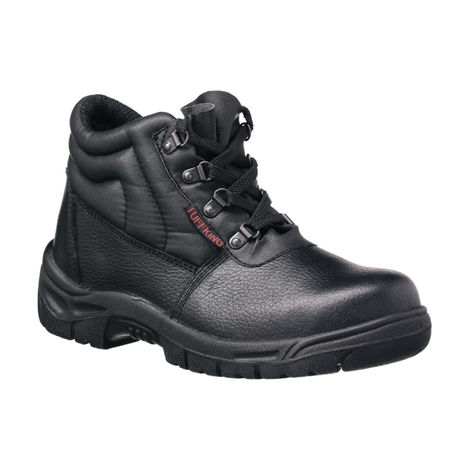
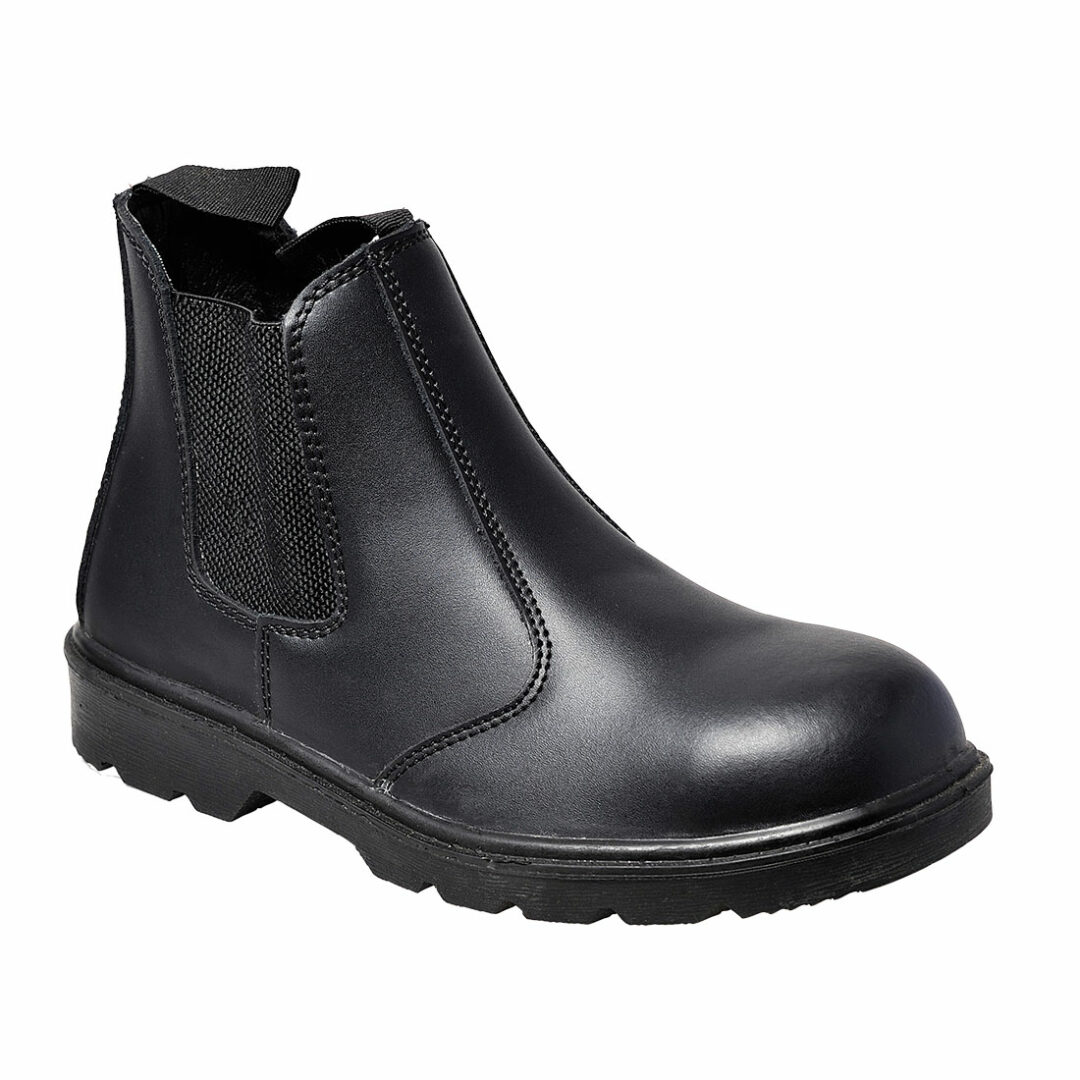
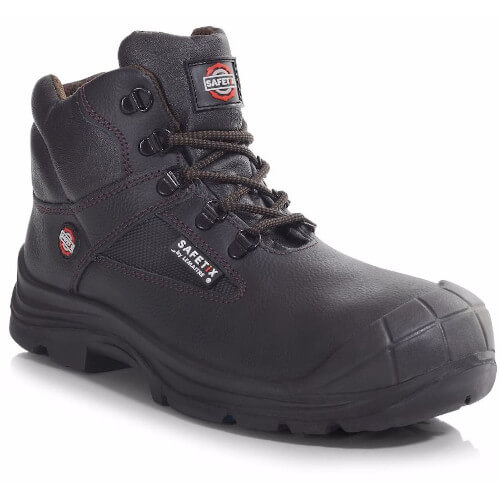
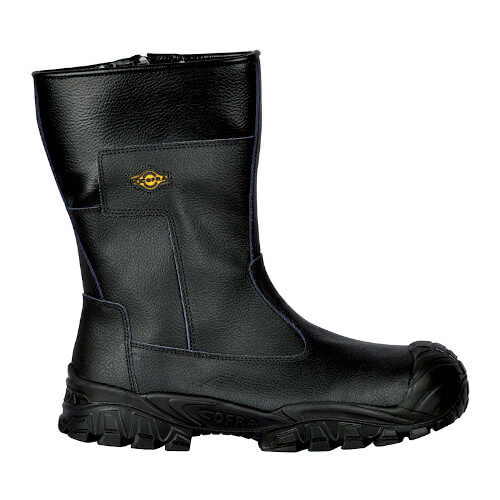
Standard steel‑toe safety boots (SB, S1) — general construction, warehousing, manual handling, sites with risk of falling objects.
-
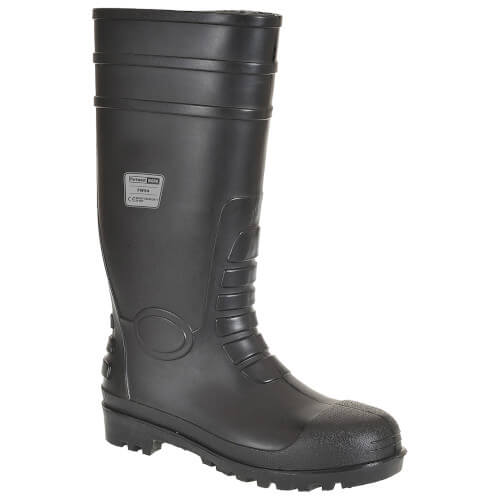
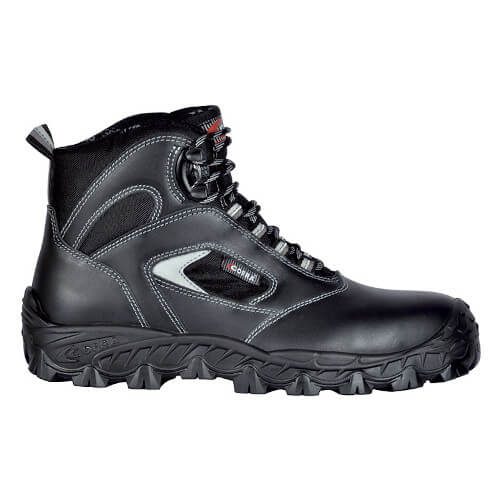
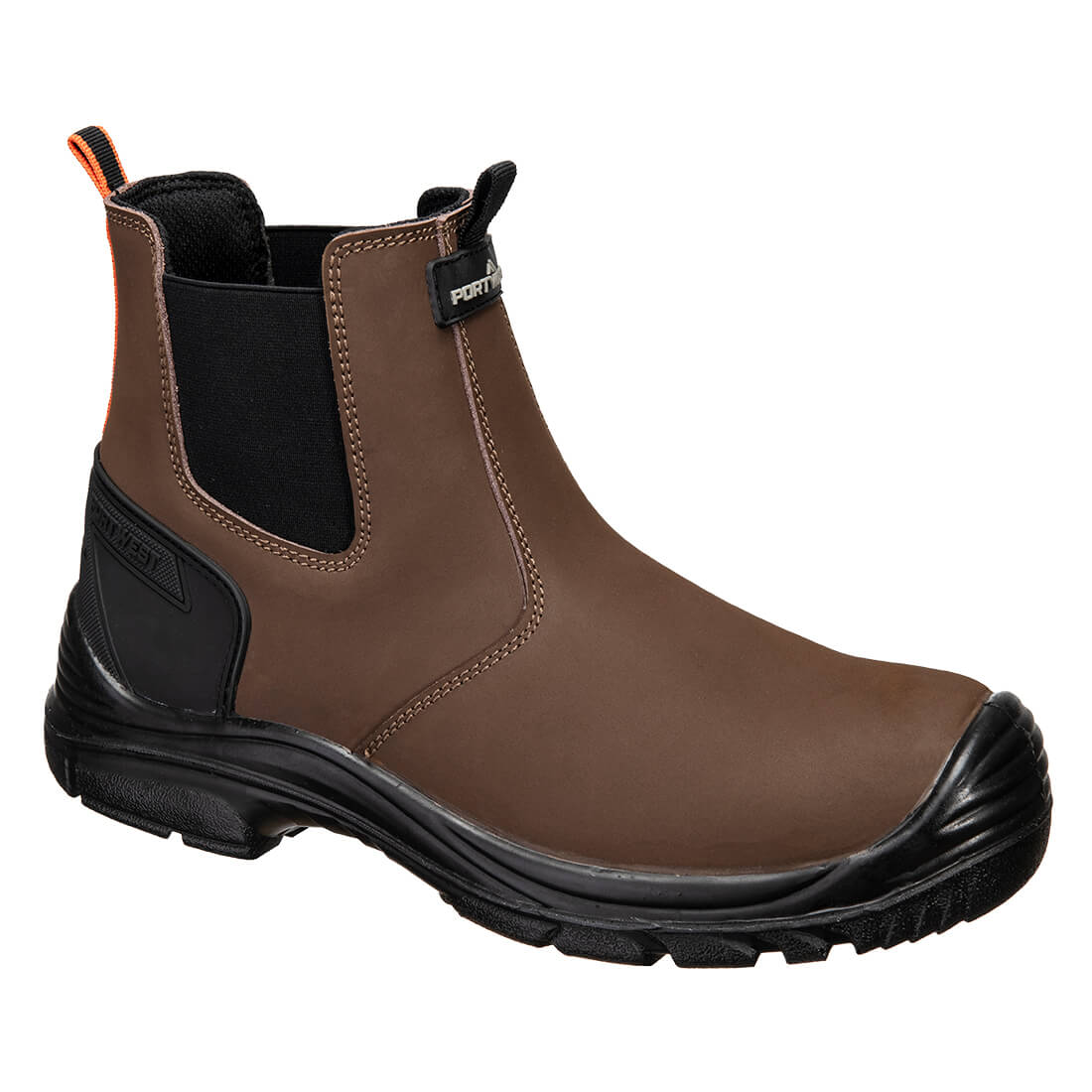
Water‑resistant / waterproof boots (S2 / S3) — useful for outdoor work, wet weather, farming, utilities, or jobs where moisture is common.
-
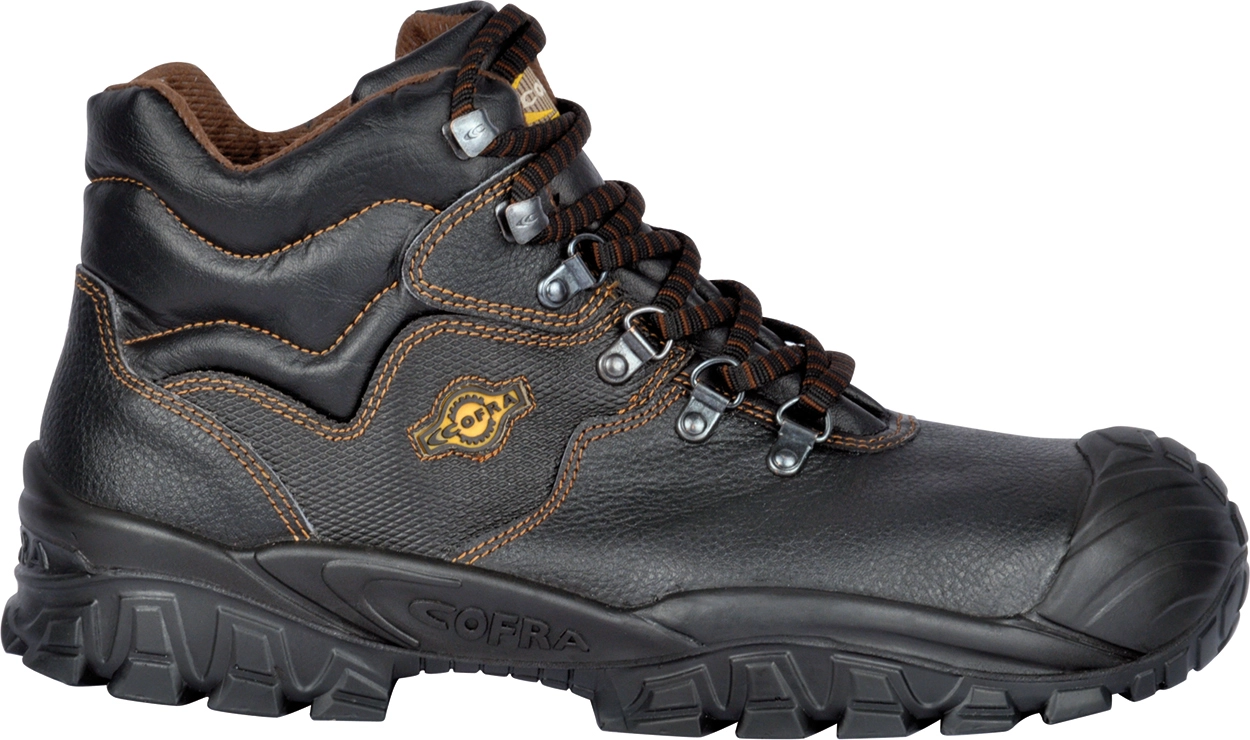
Puncture‑resistant (midsole plate) boots (S3 / S3 P) — ideal for construction, demolition or metal‑work, where sharp debris may be underfoot.
-
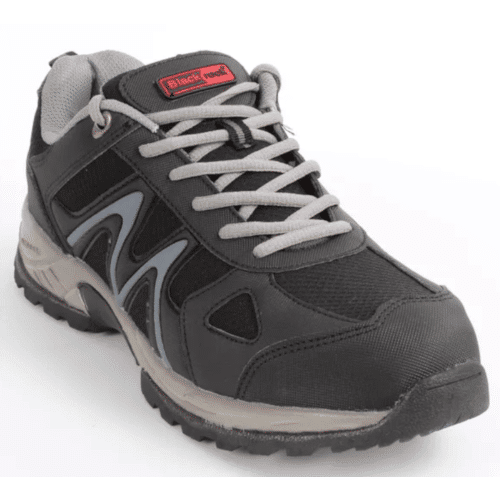
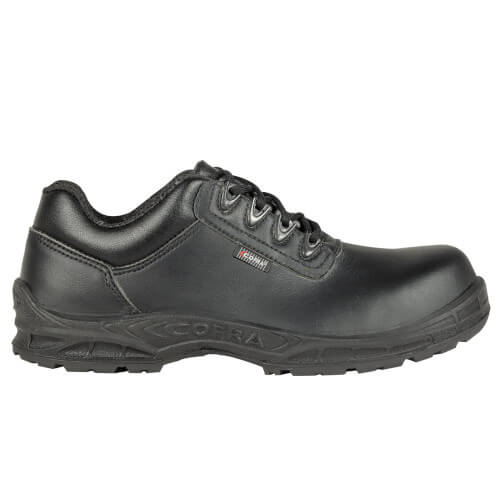
Composite‑toe or lightweight safety trainers — when mobility, lighter weight, or non‑metallic footwear is preferred (e.g. for work around metal detectors, aviation, light‑duty warehouse).
-
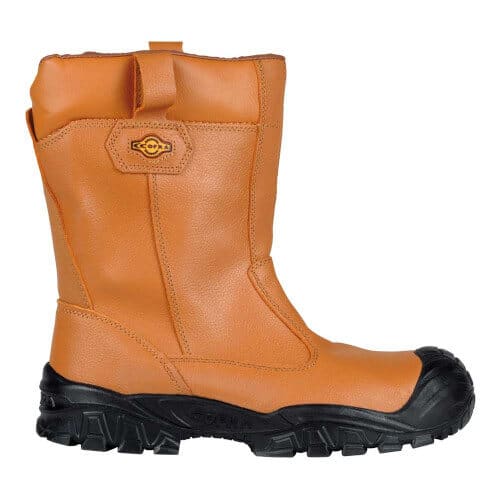
Insulated or cold‑weather boots — for outdoor winter work, cold storage, or exposure to low temperatures.
-
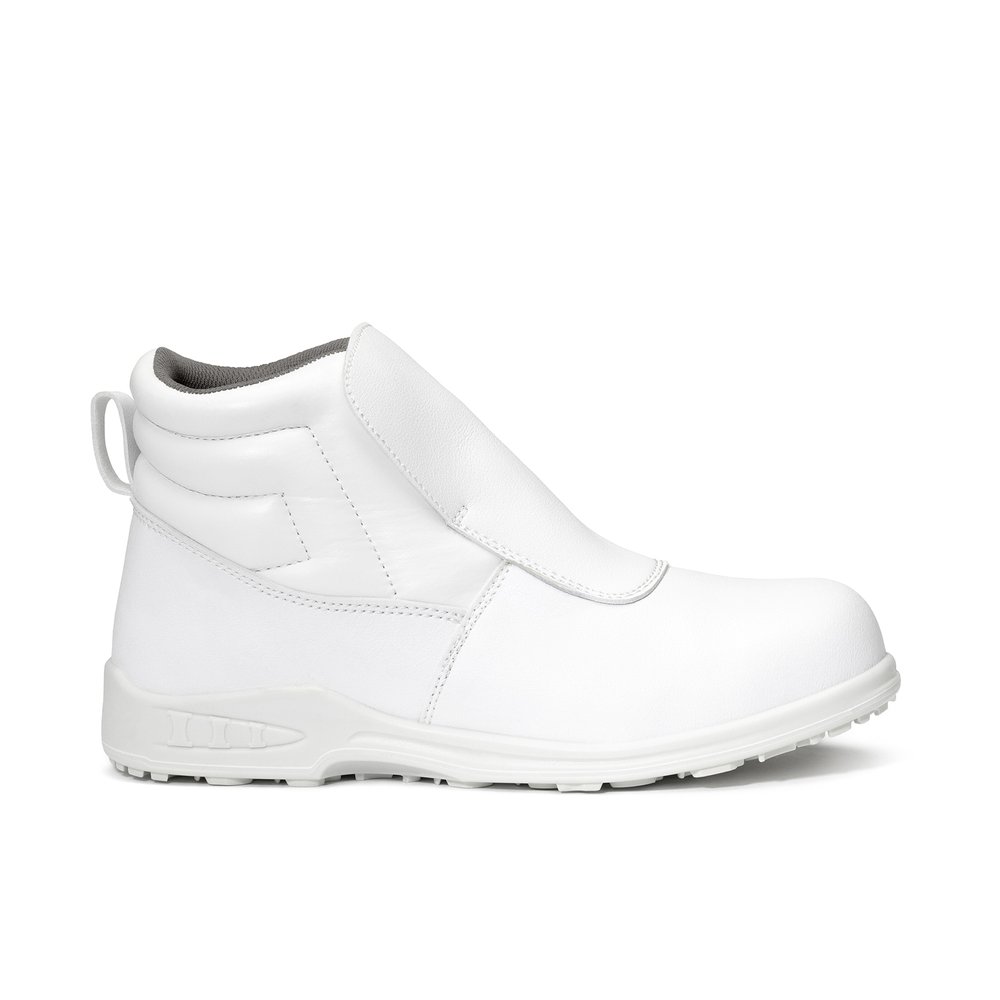
Specialist boots (chemical‑resistant, anti‑static, heat‑resistant, etc.) — where chemicals, electricity or heat exposure are hazards.
✅ Why Norsemen Safety Is Your Go‑To for Safety Footwear
At Norsemen Safety we combine quality, choice and expertise — ensuring you get safety footwear that matches your risks, role and comfort needs:
-
Wide range of certified safety boots — from basic protective boots to heavy‑duty site footwear and specialist options.
-
Trusted brands & compliance — we supply boots built to meet industry standards (EN ISO 20345), ensuring compliance and workplace safety.
-
Guided selection — based on your job function and risk assessment, we can help you choose the correct boot type (toe cap, water resistance, puncture resistance, etc.).
-
Comfort & durability — we know safety boots are worn daily in tough conditions — ours are tough enough to last, and comfortable enough for long shifts.
-
Full PPE integration — safety footwear forms part of a full PPE setup we provide, matching boots with gloves, safety clothing, helmets and other protective gear.
Related Workwear & PPE Categories to Complete Your Safety Setup
To ensure full protection on site, pair your safety footwear with other essential PPE and workwear from Norsemen Safety: